Not even going to wait to get into the biggest why – Without algae or trees, there would be no oxygen. And without insects to pollinate plants, our harvests would be meager at best. More than two-thirds of all crops, including many fruits and vegetables, coffee and cocoa, depend on natural pollinators like insects. But already today, one-third of all insect species worldwide are threatened with extinction. In this blog, we get into why it is so important to protect Nature and how YOU can help.
Our Health Depends on Nature
As stated in the beginning, protecting the environment and Nature is essential to our health. Our environment and Nature are interconnected, so the health of both must be taken into consideration when protecting them. Pollution, deforestation, over-fishing, and other environmental damage directly impacts human health. Air pollution, for example, has been linked to respiratory issues, heart disease, and cancer. Deforestation can lead to soil erosion, water contamination, and a decrease in biodiversity, resulting in less available food sources and an increase in animal-borne illnesses. Moreover, a decline in wildlife affects the balance of entire ecosystems, which is vital for our own health. By protecting the environment and nature, we can better protect our health.
Animal Habitats Depend on Nature
Protecting the environment and Nature is essential to preserving animal habitats. The destruction of natural habitats due to deforestation, land development, and over-fishing can lead to the loss of many species, as well as a decrease in overall biodiversity. To protect the habitats of animals, we must take action to reduce human impact on the environment..
What can we do? A solution that is helpful is to start by conserving and protecting our natural spaces, such as national parks and wildlife sanctuaries. Or by supporting organizations that do these things. We can also work to reduce water pollution, which can have a devastating effect on aquatic life. Additionally, we should seek to decrease air pollution, as it contributes to climate change and the destruction of habitats. We must be mindful of our consumption habits, and strive to reduce the amount of resources we use, particularly those that come from animal habitats. By protecting the environment and Nature, we can help ensure that animal habitats remain intact and that these species can continue to thrive in their natural environments. In doing so, we will not only be helping to preserve our planet’s precious biodiversity, but also maintaining the balance of the delicate ecosystems that support all life.
Nature Combats Climate Change
Climate change is caused by human activity that leads to increased levels of greenhouse gases in the atmosphere. These gases trap heat, resulting in global warming. As a result, we have seen more extreme weather events, rising sea levels, melting glaciers, and disruptions to food production.
Protecting the environment and Nature is essential in reducing emissions and helping to mitigate the effects of climate change. We must reduce our reliance on fossil fuels, which release harmful carbon dioxide into the atmosphere when burned. Protecting forests and other natural habitats helps to absorb carbon dioxide, thus reducing its effects.
We must also take steps to protect wildlife habitats from destruction or disruption due to human activities. This includes preserving areas such as wetlands, coral reefs, and rainforests, which are all essential for maintaining biodiversity and creating sustainable ecosystems. Reducing our consumption of resources can also help to lessen our impact on the environment and limit the amount of waste we produce.
By taking steps to protect Nature, we can help to combat climate change and ensure a safe and healthy future for ourselves and future generations.
Nature Saves Water
Protecting the Nature means saving water. Water is a precious resource that we NEED for drinking, hygiene, and food production. Therefore, it is important to conserve water and use it wisely.
One of the best ways to save water is to install low-flow fixtures in your home. Low-flow fixtures use less water than conventional ones, and they can help you reduce your water usage significantly. You can also take shorter showers, turn off the tap while brushing your teeth, and only use the washing machine when it is full. Also minimize usage of technology and companies that drain water sources.
Additionally, you can use greywater systems and rainwater harvesting to collect and store rainwater. Greywater systems are used to collect wastewater from sinks, baths, showers, and laundry. The collected water can then be reused for non-potable purposes such as irrigating plants or flushing toilets. On the other hand, rainwater harvesting is a great way to save and store rainwater for later use. This helps reduce our dependence on public water systems.
Protecting the Nature also means reducing water pollution. Polluted water not only has a negative impact on our health, but it can also kill off aquatic life. We can reduce water pollution by properly disposing of chemicals, detergents, and other hazardous materials. We should also avoid dumping trash in rivers, lakes, and oceans.
What Can We Do?
Reduce Waste in Nature
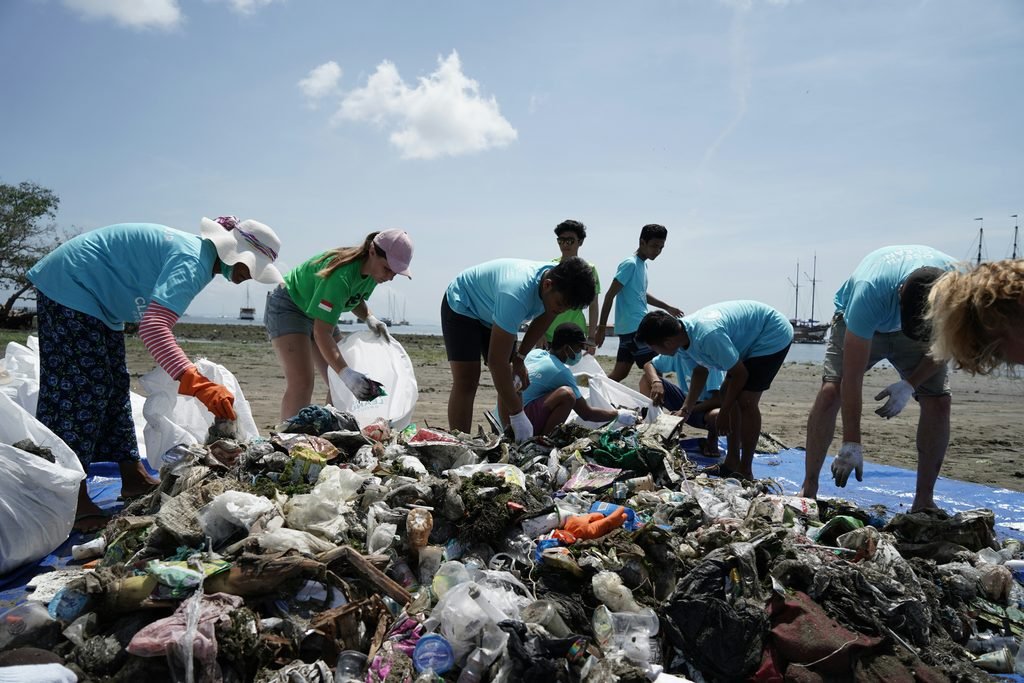
Protecting the Nature means reducing the amount of waste we create. When we create less waste, it reduces the number of pollutants that enter our environment. This can help to improve air quality, reduce the risk of flooding, and promote biodiversity. It also helps to conserve resources, which can reduce the strain on natural resources.
Simple steps such as recycling, composting, and reusing items whenever possible can go a long way towards reducing the amount of waste we create. We should also reduce our reliance on single-use plastics and disposable products. Additionally, buying in bulk can help to cut down on the amount of packaging used.
Help Conserve the Soil
One of the most important ways of protecting the Nature is by conserving our soil. Soil is an essential resource for growing food, sustaining wildlife, and other plants. Without healthy soils, we would not have a healthy environment or be able to sustain ourselves
Soil erosion and degradation is a global issue that has had devastating impacts on the environment and the lives of those who depend on it. Over-cultivation, deforestation, overgrazing, and improper irrigation are all contributing factors to soil degradation.
To protect our soil, we must take steps to reduce its destruction. Sustainable agriculture practices, such as crop rotation and the use of cover crops, can help keep the soil healthy and productive. The use of natural fertilizers, such as compost, can also help to replenish and restore lost nutrients in the soil. Additionally, planting trees and shrubs can help to prevent soil erosion.
By taking steps to conserve our soil, we can help to ensure that our environment and nature remains healthy for generations to come. Protecting the Nature through conservation of our soil is essential for preserving biodiversity and maintaining a healthy ecosystem.
Help Preserve Biodiversity
Biodiversity is essential for a healthy, balanced ecosystem. Protecting the Nature helps to preserve biodiversity in various ways. First, preserving habitats is key to maintaining populations of plants and animals. This includes protecting endangered species from extinction. Second, conserving water and air quality also has a direct effect on biodiversity, as many organisms are highly sensitive to changes in their environment.
Finally, limiting human impact in natural areas prevents disruption of local ecosystems, allowing populations to maintain their original diversity.
Reduce Light Pollution
Light pollution is one of the biggest threats to Nature. It causes energy waste and costs us billions of dollars every year. To protect the Nature, we need to reduce light pollution.
This can be done in a number of ways, such as using energy-efficient lighting systems, making sure all exterior lights are directed downwards, and ensuring that all outdoor lights are switched off when not in use. Cities can also set guidelines for lighting to help reduce light pollution. For example, they can limit nighttime lighting or require that streetlights only be used when necessary.
It’s important to remember that reducing light pollution is just one way of protecting the environment and nature. We must also take other steps such as reducing our consumption of resources, conserving energy, and using renewable energy sources. With these steps, we can help create a healthier and more sustainable future.
Reduce Deforestation
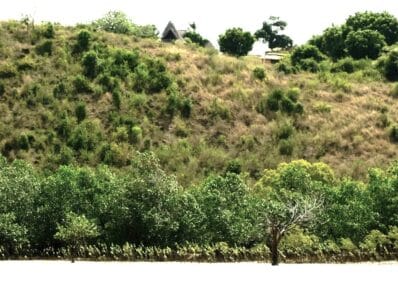
Protecting the Nature means protecting our forests and woodland areas. Deforestation has a devastating impact on biodiversity, climate change, and air quality. It also takes away habitats for wildlife and pollinators, negatively impacting entire ecosystems. We can take steps to protect our forests by reducing the use of unsustainable timber sources and increasing sustainable forestry practices.
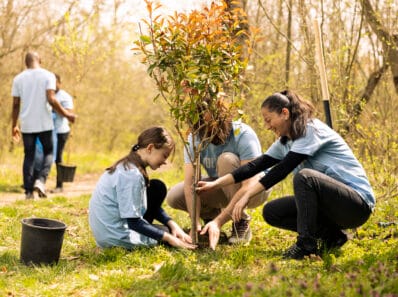
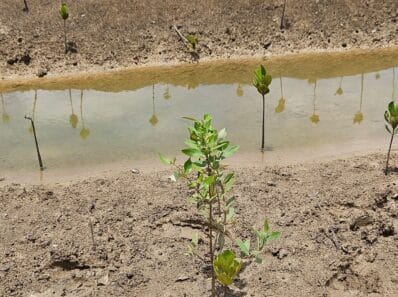
Planting trees can help reforest areas that have been destroyed, and proper forest management can help ensure that we don’t continue to experience the severe effects of deforestation. It is also great to support non-profits, businesses and organizations that help with reforesting the planet. By protecting the Nature, we can reduce the harm caused by deforestation.
Conclusion
Every little step counts when it comes to preserving the planet’s resources, so let’s take collective action and start protecting the Nature today. Thank you for doing your part.