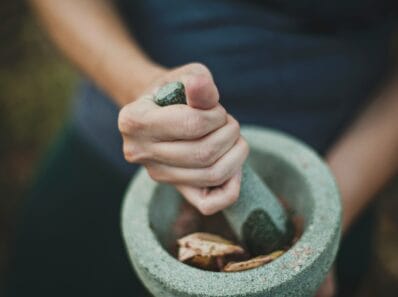
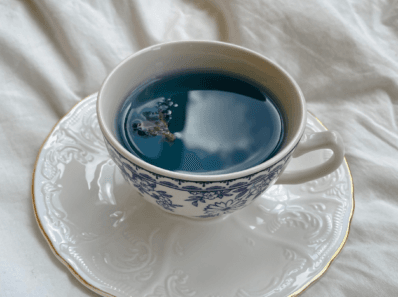
When we think of medicinal plants, Red Clover (Trifolium pratense) often doesn’t get as much recognition as other well-known herbs like Echinacea or Ginseng. However, Red Clover has been a staple in traditional medicine for centuries, offering a wide array of health benefits that range from promoting hormonal balance to supporting heart health. This blog will explore the many uses, benefits, and potential risks of Red Clover, helping you understand why this unassuming plant deserves more attention.
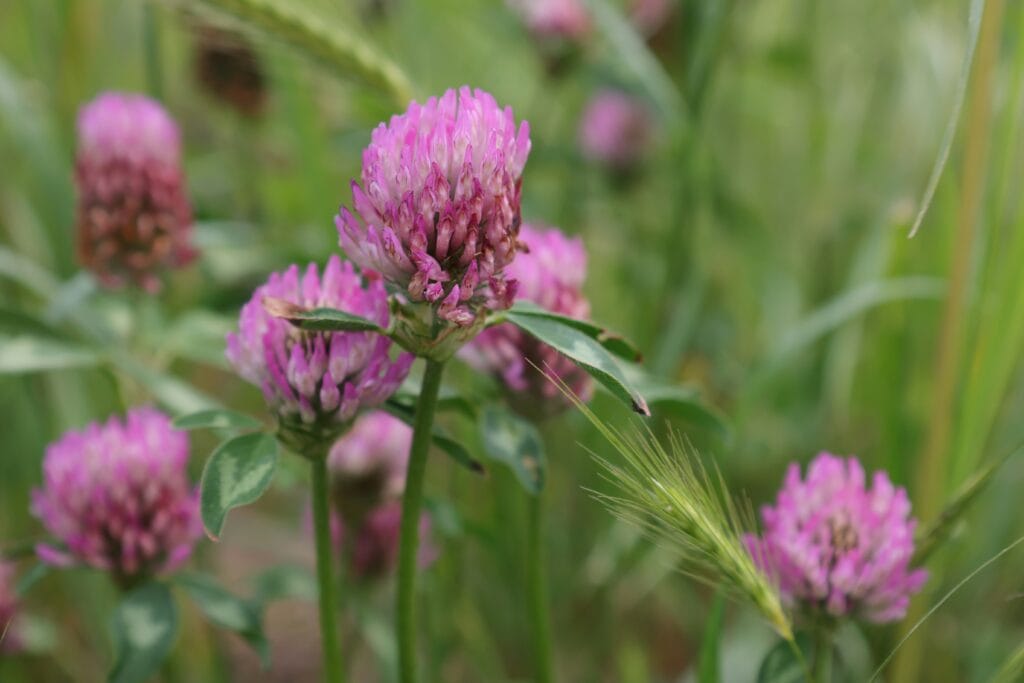
What Is Red Clover?
Red clover is a member of the pea family, Fabaceae, and is native to Europe, Asia, and parts of North America. It’s easily recognizable by its pinkish-purple flowers, which are usually found in clusters. The plant grows in a variety of environments, from meadows and roadsides to gardens, making it a common wildflower in many regions.
Red clover has been utilized in herbal medicine for thousands of years, with its first recorded use dating back to ancient Greece. Today, it is available in many forms, including teas, extracts, capsules, and even as an ingredient in skincare products.
Nutritional Profile of Red Clover
Red clover is not just a medicinal herb; it’s also a powerhouse of nutrients. It contains several important compounds that contribute to its health benefits. Some of the key nutrients and compounds found in red clover include:
Isoflavones: These plant-based compounds are structurally similar to estrogen and are thought to mimic the effects of estrogen in the body. They are the primary reason why red clover is often used to support hormonal balance, particularly in women.
Flavonoids: Known for their antioxidant properties, flavonoids help neutralize harmful free radicals in the body, which can contribute to aging and disease development.
Vitamins: Red clover contains various vitamins, including vitamin C, which supports immune function, and B-vitamins like niacin (B3), which are important for energy metabolism.
Minerals: Red clover is also rich in minerals like calcium, magnesium, iron, and potassium, all of which contribute to the plant’s overall health benefits.
Fiber: It contains a decent amount of fiber, which is essential for digestive health and regular bowel movements.
Health Benefits of Red Clover
1. Hormonal Balance and Menopause Support
One of the most well-known uses of red clover is its ability to support hormonal balance, particularly in women. The isoflavones in red clover can bind to estrogen receptors in the body and mimic some of the effects of estrogen, making it especially useful during menopause when estrogen levels naturally decline.
Menopause Symptoms Relief: Women going through menopause often experience a variety of symptoms, including hot flashes, night sweats, mood swings, and vaginal dryness. Several studies suggest that red clover may help alleviate some of these symptoms by acting as a natural estrogen replacement. While more research is needed to confirm these findings, many women use red clover as a natural remedy to ease the discomfort associated with menopause.
Hormonal Balance in Women: Besides menopause, red clover is also used by women of all ages to support overall hormonal health. The herb may help balance estrogen levels, which can support reproductive health, menstrual regularity, and alleviate symptoms of premenstrual syndrome (PMS).
2. Heart Health and Cholesterol Support
Red clover has long been associated with heart health. The herb contains several compounds that support cardiovascular function, including isoflavones, flavonoids, and other antioxidants. Some of the ways red clover may benefit heart health include:
Lowering Cholesterol: Studies suggest that red clover can help lower LDL (bad) cholesterol levels and increase HDL (good) cholesterol. This can help reduce the risk of plaque buildup in the arteries, which is a key factor in cardiovascular diseases like heart attack and stroke.
Improving Blood Flow: Red clover’s antioxidant and anti-inflammatory properties may also help improve blood circulation. It helps relax the blood vessels, which can enhance blood flow and reduce the risk of high blood pressure.
3. Bone Health
Research has indicated that red clover may also support bone health, making it an appealing option for individuals with osteoporosis or those at risk of bone loss. The isoflavones in red clover may help prevent the breakdown of bone tissue by mimicking estrogen, which plays a crucial role in maintaining bone density.
In postmenopausal women, the decline in estrogen levels is often associated with increased bone resorption and decreased bone mineral density. Some studies have suggested that red clover may help prevent this decline, although more research is needed in this area.
4. Skin Health
Red clover is often included in skincare products due to its purported benefits for the skin. It has anti-inflammatory and antioxidant properties that can help reduce skin irritation, redness, and inflammation. The plant may also assist in healing skin conditions such as eczema, psoriasis, and acne by promoting detoxification and soothing the skin.
Topical application of red clover, either through infused oils or extracts, may also support skin elasticity and reduce signs of aging, such as fine lines and wrinkles. While the evidence is largely anecdotal, many people incorporate red clover into their skincare routines as a natural remedy for a variety of skin concerns.
5. Respiratory Health
Red clover has been traditionally used to treat respiratory conditions such as asthma, bronchitis, and coughs. The herb acts as a mild expectorant, helping to clear mucus from the respiratory system. Additionally, it has soothing properties that may ease throat irritation, making it a common ingredient in herbal teas for cold and flu relief.
Its ability to improve circulation and reduce inflammation may also contribute to its effectiveness in promoting respiratory health.
6. Detoxification
The detoxifying properties of red clover make it a valuable herb for supporting the liver and kidneys. Red clover is believed to help detoxify the blood and improve overall lymphatic function. It is often used as part of a detox regimen to cleanse the body of accumulated waste and toxins.
How to Use Red Clover
Red clover is versatile and can be used in several forms, depending on your preferences and health goals. Here are some of the most common ways to incorporate red clover into your routine:
Red Clover Tea: One of the simplest ways to enjoy red clover is by brewing a cup of tea. You can purchase pre-made red clover tea bags or make your own by steeping dried flowers in hot water. It’s soothing and easy to prepare.
Red Clover Capsules or Tablets: For those who prefer a more concentrated form of red clover, supplements are widely available in capsule or tablet form. These provide a more potent dose and are often used for specific health concerns, such as menopause relief or cholesterol management.
Red Clover Extracts: Liquid extracts or tinctures can be added to water or other beverages. This concentrated form of red clover may be particularly useful for those seeking targeted health benefits.
Topical Applications: Red clover is sometimes used in creams, lotions, and oils for its skin-soothing properties. Applying red clover oil or cream to the skin may help with conditions like eczema, acne, or general inflammation.
Potential Side Effects and Risks
While red clover is generally considered safe for most people, it’s important to use it with caution, especially if you are pregnant, breastfeeding, or on certain medications.
Allergic Reactions: As with any plant, some individuals may experience an allergic reaction to red clover. If you notice any signs of an allergy, such as a rash, itching, or difficulty breathing, discontinue use and seek medical attention.
Interactions with Medications: Red clover may interact with blood thinners, hormone therapies, or medications for high blood pressure. If you are on any medication, it’s important to speak with a healthcare professional before using red clover.
Hormonal Effects: Because red clover contains isoflavones, it may mimic estrogen in the body. This can be beneficial for some individuals, but those with hormone-sensitive conditions, such as breast cancer or uterine fibroids, should consult a healthcare provider before using red clover.
Conclusion
Red clover may not always be at the top of everyone’s list of medicinal herbs, but it has a long history of use for a reason. From balancing hormones and improving heart health to enhancing skin appearance and supporting respiratory function, red clover offers a range of potential health benefits. Its versatility, availability, and relatively mild side effects make it an appealing natural remedy for many.
As with any herbal supplement, it’s important to use red clover responsibly and consult with a healthcare provider, especially if you have pre-existing conditions or are taking medication. Whether you’re looking to support your hormonal health, improve your skin, or give your heart a boost, red clover could be the natural solution you’ve been looking for.